HalfHour Chess · For players under 1500
Stop playing chess guessing the best move like a noob
Learn how to actually play chess with a system, and beat your opponents with ease
After six years of coaching chess as an International Master, I’ve seen people get insanely better with only half an hour a day, while others stay stuck at their rating for months. Stop hanging pieces. See the threat before it lands. Win material with forks and pins. You make the move first every time. No lines to memorize.
$19One payment, and it stays yours. Join risk free for 30 days. If you don’t like it, I refund your money.
Enter the email you want to use for your course. You pay on the next screen. What happens to your data
Why your rating is stuck
More than 90% of chess games are won by a tactic
In fact, there’s a game-losing blunder in almost every amateur game. So if you could nail simple tactics, you would absolutely destroy 99% of people.
Look at your last ten losses. You didn’t lose to a complicated attack. You lost to a simple blunder, or you missed a simple tactic to win a piece.
Puzzles don’t fix that. They train calculation on hard positions. You end up with a high puzzle rating, and your real rating doesn’t move. In a real game you don’t calculate every move like a puzzle. You need to see the simple pattern on both sides, without calculating first.
You said it. There’s a lesson for it
Real comments under chess videos on YouTube. Under each one is the lesson that answers it.
“Well, didn't see that. There goes my queen”
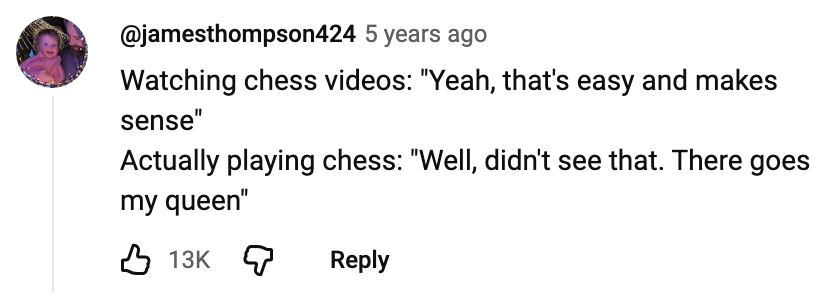
The lesson that answers itCourse 1 · Lesson 2 · Why You Blunder and How to Stop
“1st move: king's pawn. Opponent: plays sicillian”
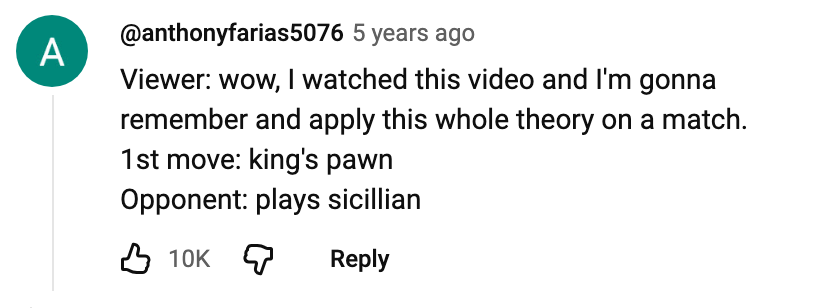
The lesson that answers itCourse 2 · Lesson 1 · Openings, One System for the Whole Board
“Roughly when I made my 2nd move.”
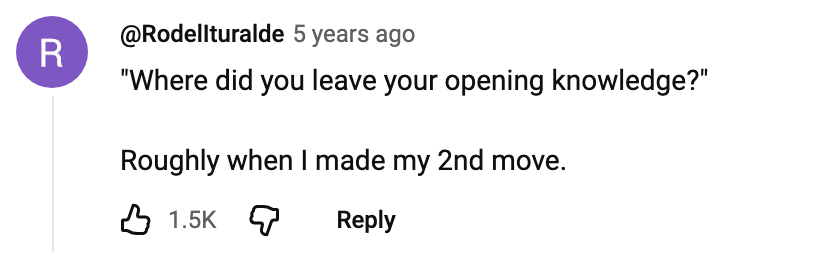
The lesson that answers itCourse 2 · Lesson 1 · Openings, One System for the Whole Board
“What if my opponent knows to play chess”

The lesson that answers itCourse 2 · Lesson 3 · Prophylaxis, Stop Their Idea First
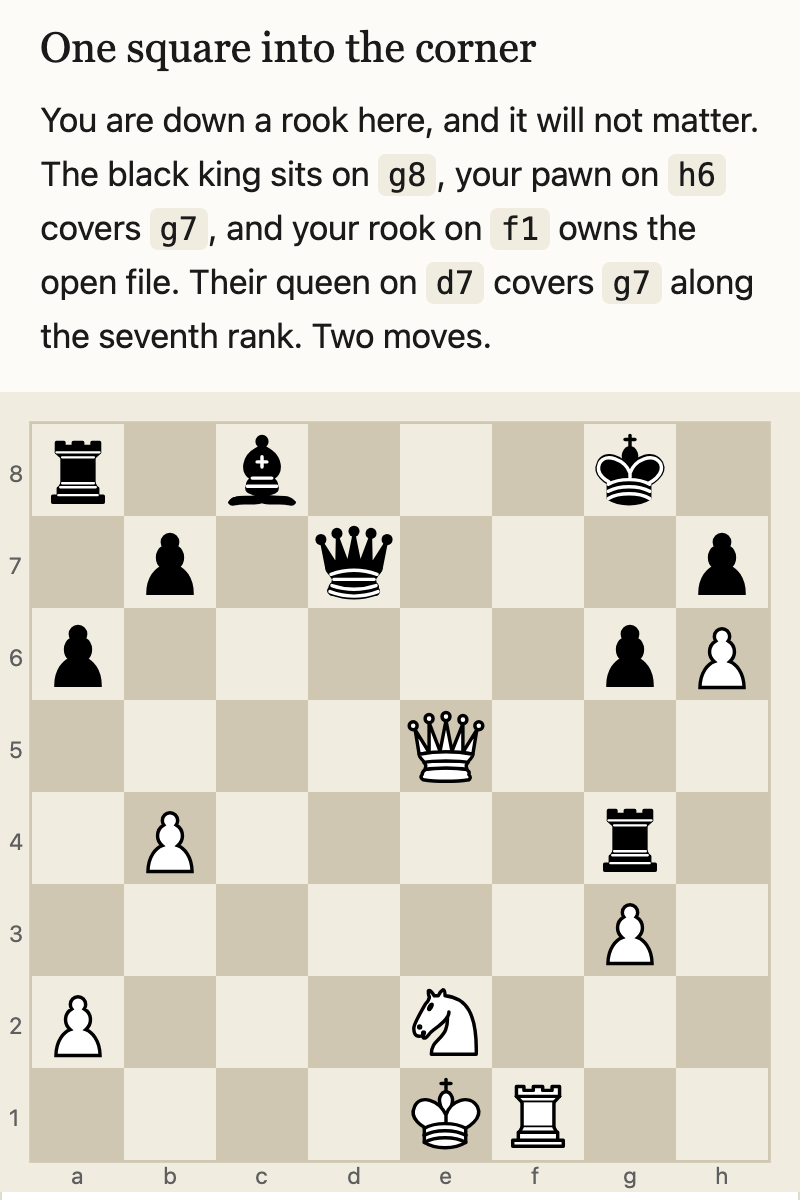
Try one right now
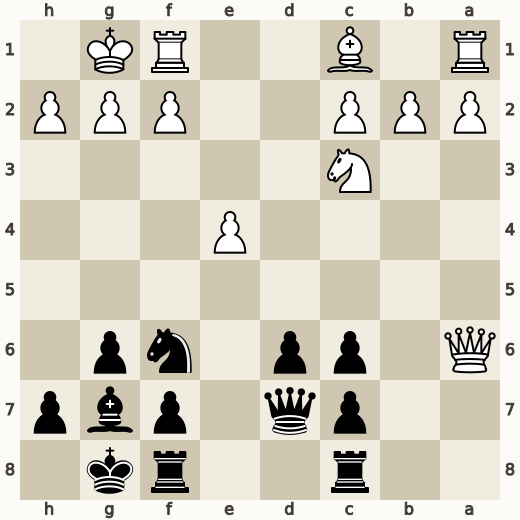
Decide first, then open the answer
Rfe8. Two attackers against one guard, and the pawn cannot run. The other rook does the same job, but the f-rook is the one to send, because the c-rook is already doing something.
That’s how it works. You decide first, the explanation opens behind your move. Watching is easy. Answering is what makes you better.
The system
Stop guessing. One procedure, run on every move, on positions that look like nothing. It takes about ten seconds and it fits on a card.
Every move changes something. Name it.
Theirs first, then yours
Every piece with nobody behind it, on both sides
If you can't name it, it isn't the move
Four letters in that order spell SCAN. You run it until you stop needing the card.
Two courses for one price
Every lesson is a video. After it, you play the boards from it yourself.
Course 1
Course 2
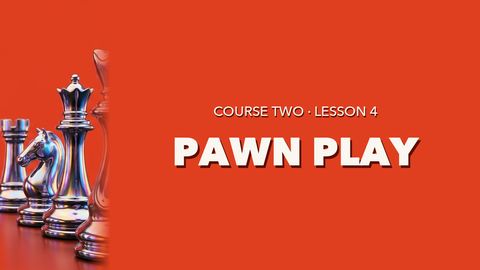
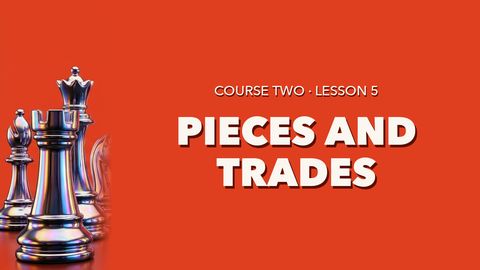
What you’ll be able to do
- Stop hanging pieces. Before you move, you see what your opponent can take.
- Grab what they leave hanging. Free pieces stop slipping past you.
- Know what a trade is worth. What every piece costs, and when trading helps you.
- See the threat before it lands. One move early, and then two.
- Never walk into a deadly check. And get out of check the right way.
- Finish the game. Mate in one and mate in two, when it’s there.
- Look two moves ahead without getting lost
- Win material with forks and pins
- Spot the attack hiding behind a piece. Before it costs you the game.
- Defend without just running away. When a piece is hit, find the better question.
- Open with a gambit. Give two pawns, and watch them struggle to get their pieces out.
- Win the endgame when you’re up. And save the ones that look lost.
And the second course comes with it
Same $19. It opens the day you pay and waits until you want it. Here are four positions out of it. You play every one of them yourself.
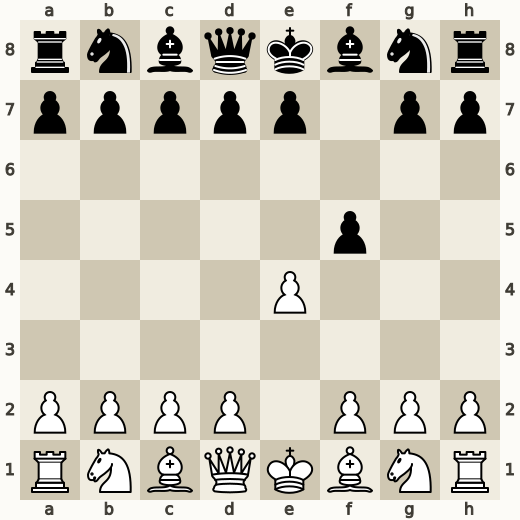
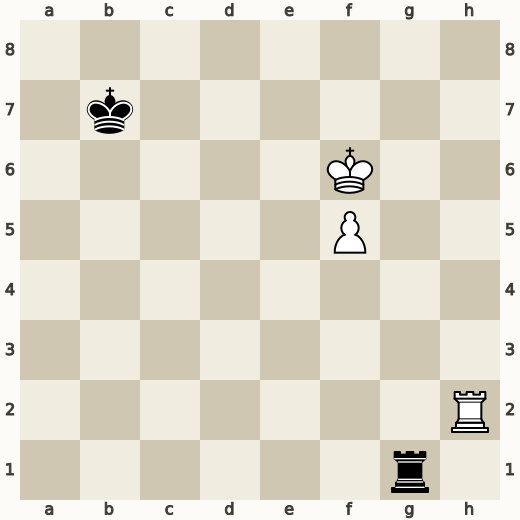
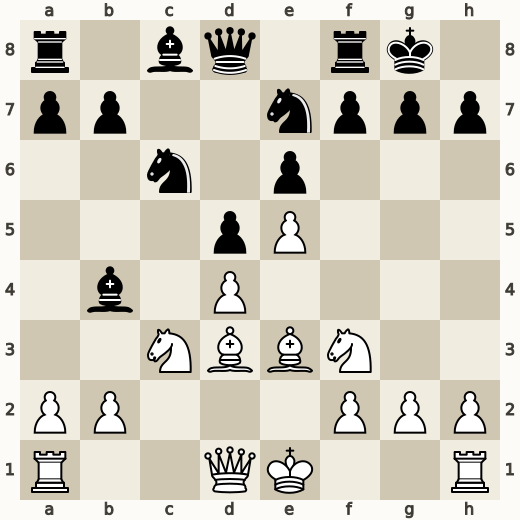
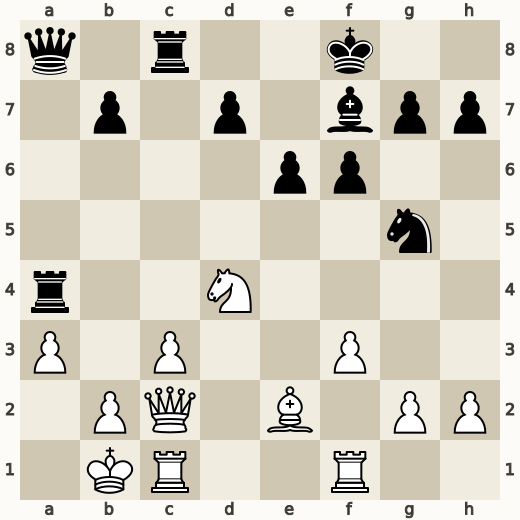
It also brings a repertoire for White and for Black, rook endings, attacking the king, and whole games walked through move by move
Five video lessons take you from the opening to the endgame. After each one come the boards from it, and you make the move first. The last day is a test with no hints, like a real game. Half an hour a day is the pace. Miss a few days, and the course waits for you. Nothing ever expires.
How it runs
- Watch, then play. Each lesson is a video. Then you make the move on its boards before the answer opens.
- Pages, not files. It opens in your browser. Nothing to download, no app, no account to keep.
- You write your move first. The breakdown waits behind it.
- Tests with no hints. No theme on the screen, no label to lean on. A real game asks the same way.
- I’m in touch with everyone inside. You’re one of the first people in. Email me if anything confuses you, and I’ll fix it.
Who this is for
This is not made for high rated players. It’s made for players ideally below 1500.
- You blunder a piece or miss a tactic even once in five games. This is made for you.
- You solve puzzles, and your high puzzle rating isn’t turning into a good chess rating. This is perfect for you.
- You could avoid most mistakes if you paid attention, but you get lazy and blunder at random. This will be a game changer.
- Your dream is to have fun destroying people without big opening theory. This is made for you.
Recommended Elo 0 to 1500
Not for you if
- you want lines to memorize. There are none here
- you want a course you can finish by watching
⚠️ Warning. Our members get reported regularly on chess.com for cheating, because their moves are too accurate. Use it at your own risk.
Before you buy
“Will this work on my phone?”
Yes, it's built for it. The course is one link, no app, no download; every board plays with a tap. Everything opens the day you pay, so you can watch a lesson on the phone and play its boards on a laptop. Only the progress marks on a board stay in the browser you solved it in.
“Checklists are slow. Scanning every move sounds exhausting.”
It's quicker than it sounds. Before every move, look for checks, captures and loose pieces on both sides. Nothing there? Make your move. Something there? Stop and work it out. The Danger Signals Deck shows you the positions where you stop.
“Will I get worse before I get better?”
At first, maybe. You're unlearning “check first, think later”, and unlearning is slow by design. The course knows it. The first lessons use boards where the questions pay off right away. Expect a few clumsy games, not a clumsy month.
“I find moves in puzzles, but in games I doubt myself and play something safe.”
That's not a knowledge gap. That's a trust gap, and reps without labels are the only thing that closes it. In the course you commit to your move before you see the answer, every time. Trust is built exactly there. Your answer first, the explanation second.
“Why pay? YouTube is free.”
I make YouTube videos too, so let me say it from the inside. We optimize them for views. A course is optimized for your progress. One sequence, one method, reps in the right order, nothing chasing an algorithm. YouTube shows you chess. The course changes how you pick moves.
“What if my opponent doesn't follow the script?”


There is no script. You're not learning lines. Memorized lines break the moment your opponent plays something weird. You're learning ideas and questions. They still work when your opponent plays a move you have never seen. That's the whole reason it's questions.
Is it expensive like all the chess courses by other YouTubers? No
Worst case. You don’t like it? Write one line within 30 days and I refund it in full. Here is the whole policy. It’s short.
Best case. You get something more exciting, more fun and more helpful than any of those chess courses out there. Way more value than somebody else who paid $200 for some opening course that’s not even very helpful and not fun at all.
One payment, less than twenty minutes with a coach. Click the button right now, and I’ll see you inside.
Join risk free for 30 days. If you don’t like it, one line gets your money back.
Questions before you buy? Write to ivan@halfhourchess.com. I answer them myself.
Already bought? Sign in with the email you paid with.